
 United Kingdom
 Ireland
 The Netherlands
 Belgium
 Italy
Italy Germany
 Luxembourg
 Switzerland
 Middle East
 Saudi Arabia
 Bahrain
 Oman
Oman Kuwait
 Qatar
Qatar
Large-scale infrastructure projects don’t stop for bad weather, but without the right surface water management in place, heavy rainfall can bring everything to a halt. When a major infrastructure development in the East Midlands required a long-term dewatering, water treatment, and waste pumping system.
The brief was clear: remove significant volumes of surface water continuously, treat it to strict discharge consent standards, and protect the surrounding watercourses, all while keeping an active construction site fully operational for up to three years.
Surface Water Management Matters on Infrastructure Sites
Surface water is one of the most persistent and underestimated risks on major infrastructure sites. Excavations, haul roads, temporary works, and utility trenches all become vulnerable during sustained rainfall, and on a project of this scale and duration, the margin for error was minimal.
The site, therefore, needed a construction dewatering pump hire system built for exactly these pressures capable of handling:
- Fluctuating and high-volume surface water inflows
- Strict pH and Total Suspended Solids (TSS) discharge consent limits
- Extreme rainfall events causing rapid inflow spikes
- Uninterrupted performance across a live, demanding building and construction environment
Our experienced Sykes Pumps and Silt Away engineers delivered a fully integrated water treatment and dewatering pumping solution designed for continuous water removal, treatment, compliant discharge, and long-term operational resilience.
Managing Extreme Rainfall & Flooding Events with Dewatering Solution
Within the first three months, the site was put to the test. Exceptionally heavy rainfall caused repeated flooding, placing sustained pressure on the temporary infrastructure and pushing inflows well beyond typical operating levels.
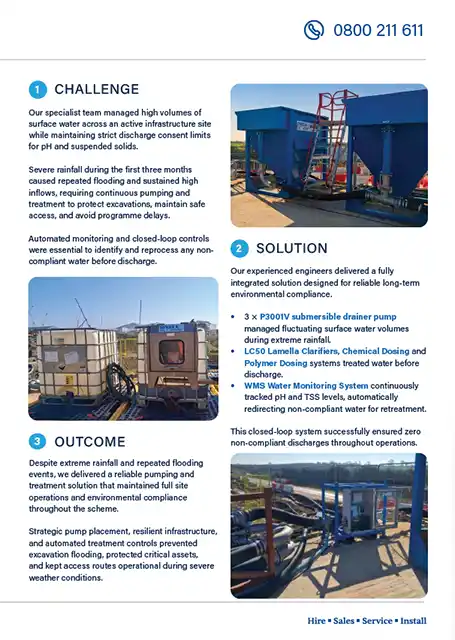
The response was immediate. Multiple P3001V submersible drainer pumps were deployed across key working areas to match the changing conditions on the ground. These aren’t just capable pumps. They were the right tool for the environment: compact enough for restricted site areas, robust enough for continuous operation, and automated via float switch controls to respond without manual intervention.
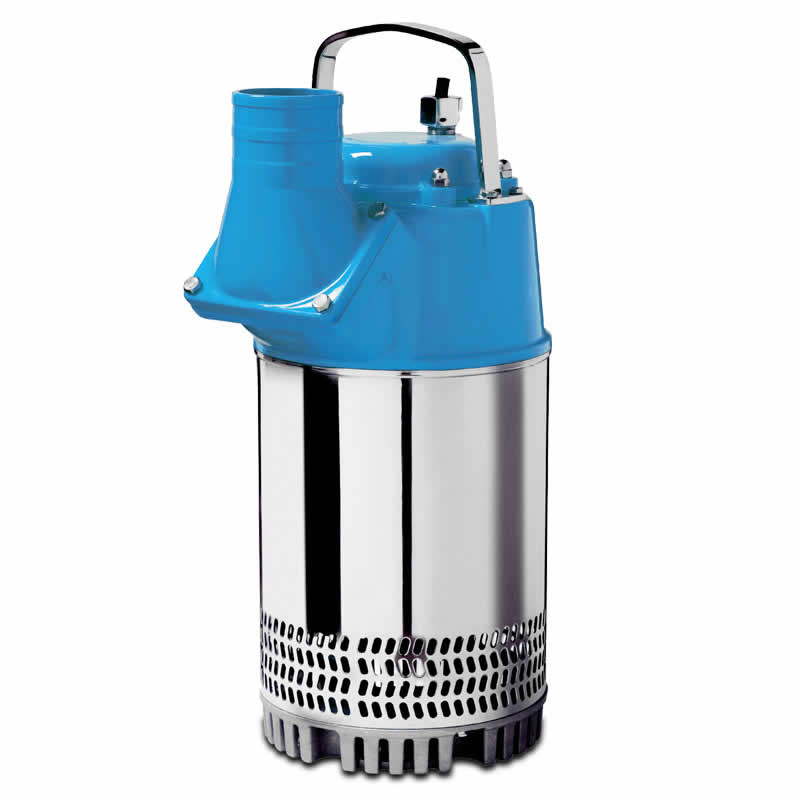
Using specialist submersible drainer pumps ensured:
- Reliable continuous pumping during peak inflows
- Efficient handling of surface water containing suspended solids
- Compact installation within restricted site areas
- Robust construction for demanding site conditions
- Automatic operation via float switch controls
The result was that excavation flooding was prevented, access routes stayed open, and critical work areas remained operational even during the worst of the weather.
Multi-Stage Water Treatment Process
However, pumping the water off site is only part of the challenge. The project must also comply with strict discharge consent requirements before water can safely enter nearby watercourses. Therefore, our experts deployed a complete multi-stage water treatment process:
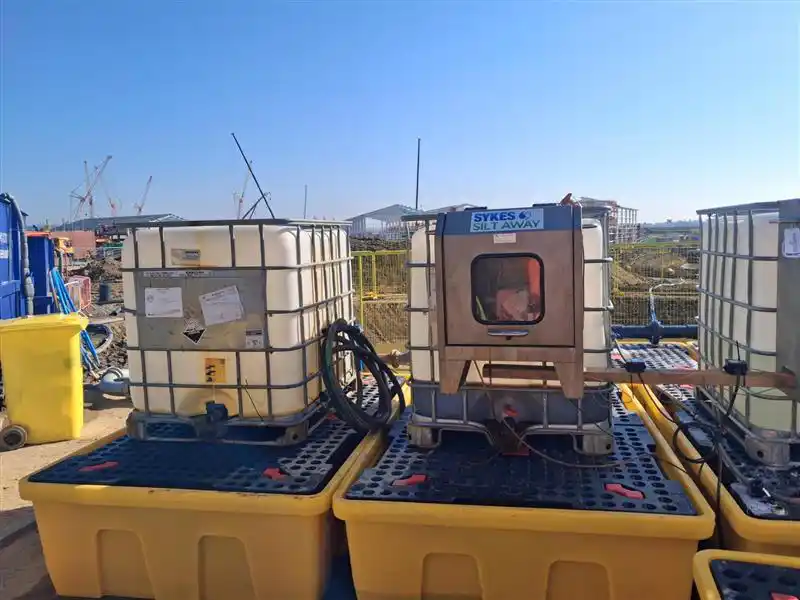
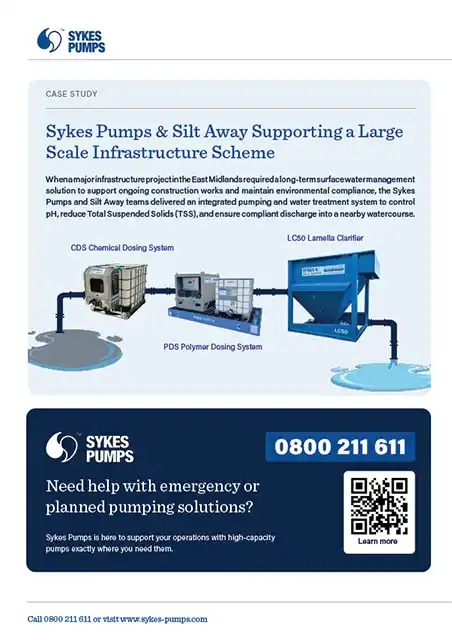
| Chemical Dosing Systems (CDS) | Precisely introduced treatment chemicals into the water stream to support coagulation and pH correction from the moment water entered the system. |
| Polymer Dosing Systems (PDS) | Injected flocculants to bind fine suspended particles together, accelerating settlement and producing consistently clearer discharge water. |
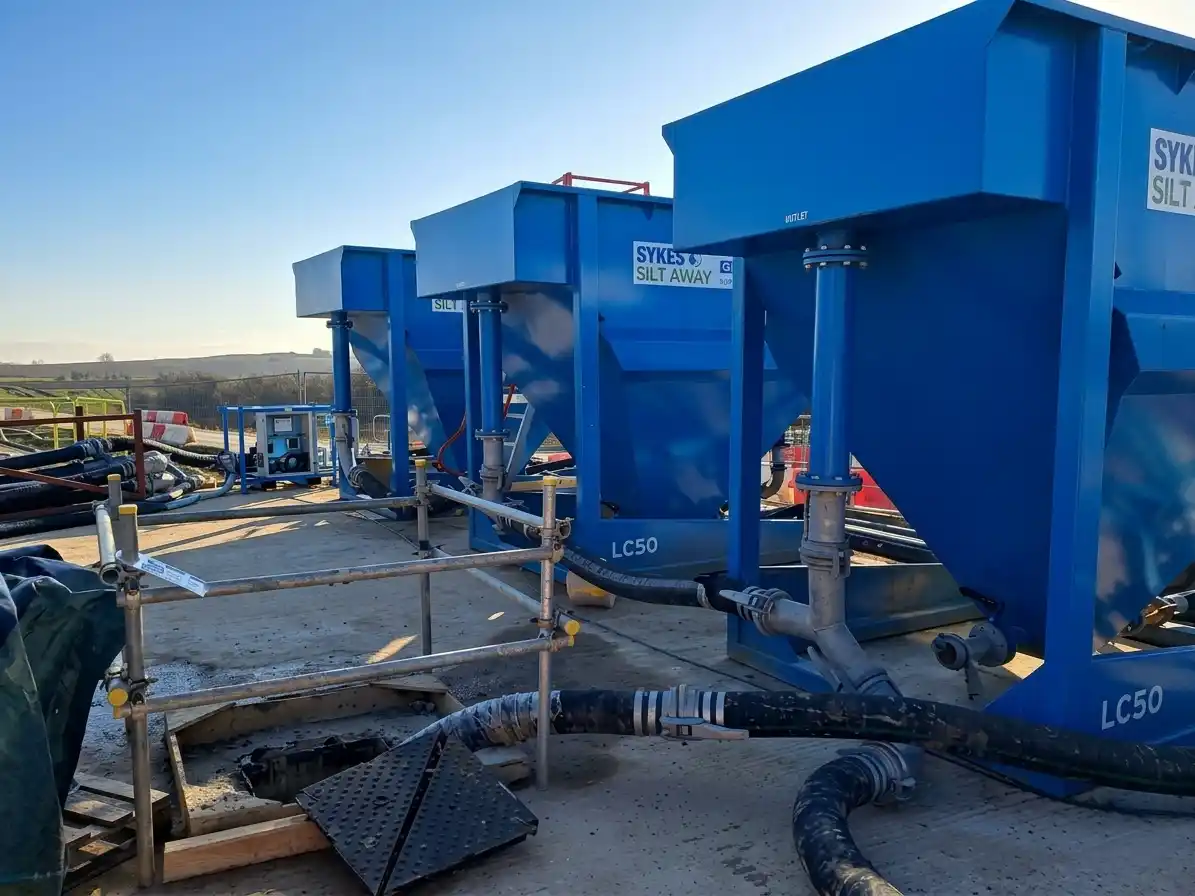
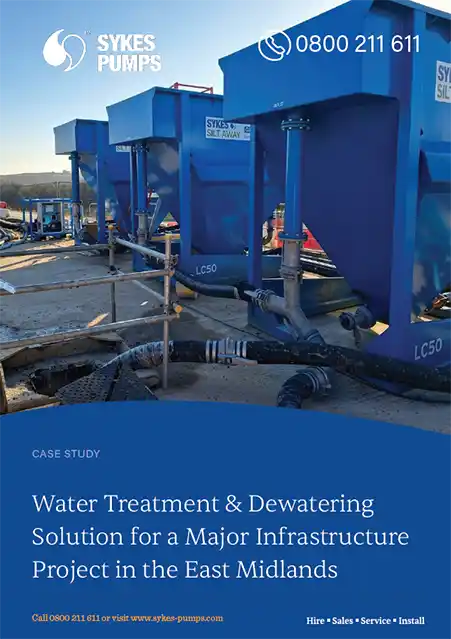
| LC50 Lamella Clarifiers | Separated and settled suspended solids efficiently, increasing treatment throughput while keeping the on-site footprint manageable |
The treatment process incorporated:
- Ferric Chloride to destabilise suspended solids and improve coagulation efficiency.
- Caustic Soda to accurately control and correct pH levels throughout the treatment process.
- Aquatreat N223 flocculant to agglomerate fine particulates and improve settlement performance within the clarifiers.
Automated Compliance & Water Quality Assurance
Perhaps the most critical element of the entire system was one the site team rarely had to think about because it was working continuously in the background.
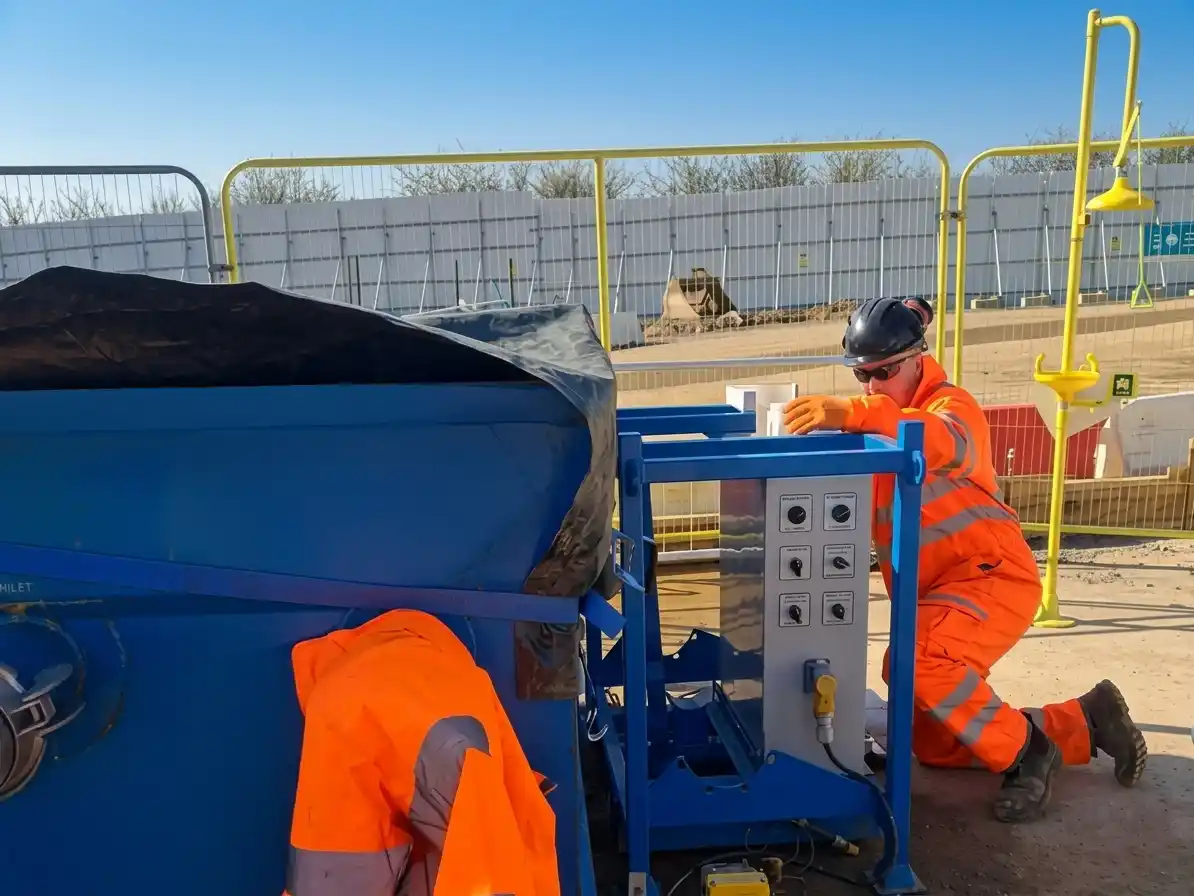
An automated Water Monitoring System (WMS) tracked pH levels and Total Suspended Solids (TSS) in real time. If treated water fell short of discharge consent requirements at any point, the system automatically redirected flows back through the treatment process before any discharge took place.
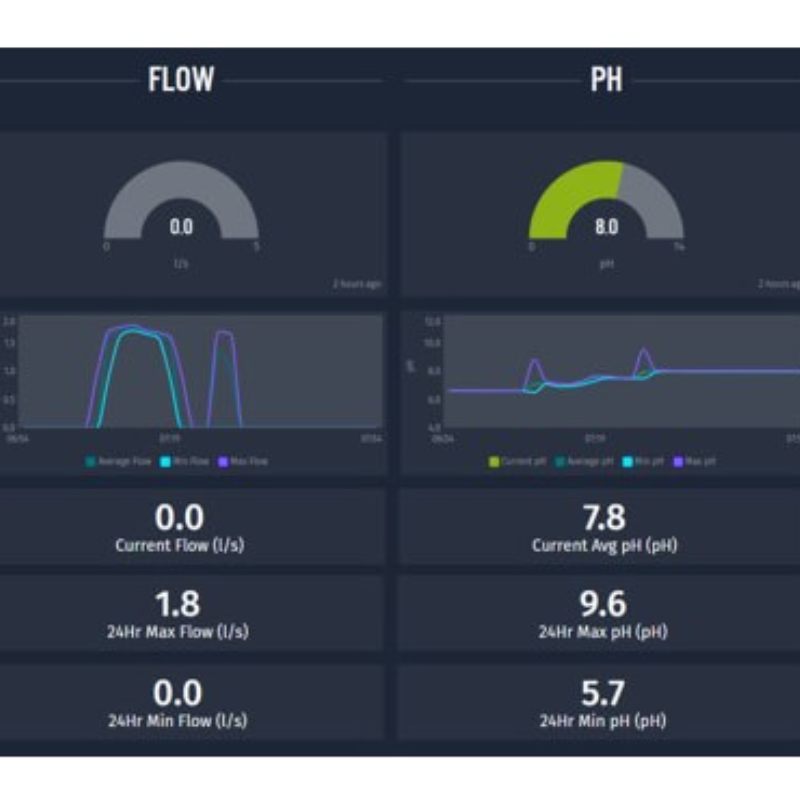
This closed-loop control system delivered:
- Full traceability and water quality records for regulatory reporting
- Zero non-compliant discharges throughout the scheme
- Reduced environmental risk at every stage
- Optimised and auditable chemical usage
By combining high-performance industrial pumps, specialist treatment equipment, and experienced engineering support, the Sykes Pumps and Silt Away teams provided infrastructure resilience and environmental protection.
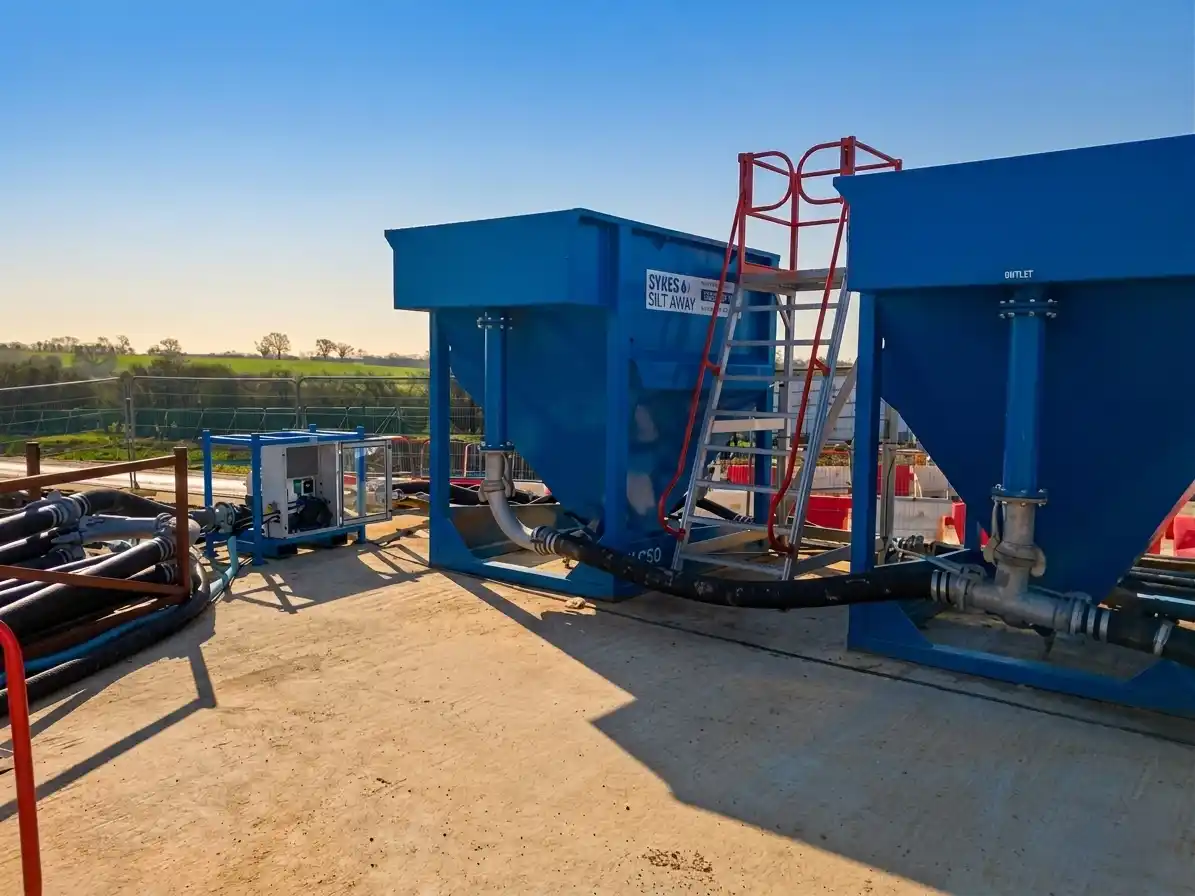
Long-Term Results & Environmental Protection
Despite some of the most challenging weather conditions the site experienced, the integrated dewatering and temporary water treatment solution kept operations running without compromise. Full environmental compliance was maintained throughout, with no programme delays caused by flooding, no discharge consent breaches, and no disruption to the construction works themselves.
What made the difference wasn’t just the equipment. It was the combination of the right industrial pumps, the right silt treatment chemistry, and engineers who understood both the technical demands and the operational pressures of a live infrastructure site.
Over a year in, the system hasn’t missed a beat. It continues to protect the surrounding environment and keep the project on track — exactly what it was designed to do.
Download Case Study
 |
Download Case Study: Water Treatment & Dewatering Solution for a Major Infrastructure Project in the East Midlands |
|---|
Need Support for Your Infrastructure Dewatering Scheme?
|
Our Sykes Pumps and Silt Away teams are ready to help.
Whether you’re managing a major construction project or responding to an emergency pumping requirement, |
|---|
FAQs
Can a temporary water treatment and dewatering solution operate long-term?
Yes. Many temporary dewatering and water treatment systems are designed for long-term infrastructure projects and can operate continuously for months or years while maintaining environmental compliance.
How to choose water treatment and dewatering equipment for infrastructure projects?
Choosing the right water treatment and dewatering equipment depends on several factors. Typical systems include industrial pumps, submersible drainer pumps, lamella clarifiers, chemical dosing systems, polymer dosing systems, and automated water monitoring equipment. Our engineers assess each site individually to design a solution that maintains operational continuity and environmental compliance throughout the project lifecycle.
If you need a reliable solution, speak to the Sykes Pumps team today for expert support and tailored solutions.
How does automated water monitoring improve environmental compliance?
Automated monitoring systems continuously track pH levels and Total Suspended Solids (TSS). If water falls outside compliance limits, the system automatically redirects it for retreatment before discharge.